
Why strength training makes you sore–what it means and what to do about it.
If you have ever finished a strength workout feeling strong and energized, only to wake up the next day barely able to sit down or walk downstairs, you are not alone. Muscle soreness is one of the most common experiences women have when they start strength training or increase the challenge of their workouts.
While it can be uncomfortable, soreness is not a bad thing, and it is not something you need to fear. Understanding why it happens can help you train smarter, recover better, and stay consistent.
What muscle soreness actually is
The soreness you feel 24 to 72 hours after a workout is known as delayed onset muscle soreness, often shortened to DOMS.
DOMS occurs when strength training creates small amounts of microscopic damage to muscle fiber, especially when:
• You are new to strength training
• You increase weight or intensity
• You introduce new exercises
• You slow down the tempo of movements
This process is a normal part of how muscles adapt and grow stronger.
Why strength training causes soreness more than cardio
Strength training places muscles under tension, particularly during the lowering phase of an exercise. This type of muscle action creates more stress on the muscle fibers than steady, repetitive movements like walking or cycling. As your body repairs these fibers, they become stronger and more resilient.
Soreness is simply a sign that your muscles are adapting to a new or increased demand.
Does soreness mean the workout was effective?
This is an important distinction. Soreness does not equal progress. You can make excellent progress without feeling sore, and you can feel very sore without making meaningful gains. Soreness simply means your body experienced a stimulus it was not fully adapted to yet.
Over time, as your body becomes stronger, the same workouts will cause less soreness even though they are still effective.
Why soreness usually decreases with consistency
One of the best indicators that your body is adapting well is that soreness becomes less intense over time.
This does not mean the workouts stopped working. It means:
• Your muscles are recovering more efficiently
• Your nervous system is adapting
• Your connective tissue is becoming stronger
Consistency is what drives this adaptation, not chasing soreness.
What you can do to reduce soreness
While some soreness is normal, it does not need to derail your routine. Below are a number of research-supported strategies that help manage soreness.
Keep moving
Light activity such as walking, gentle cycling, or mobility work increases blood flow and often helps muscles feel better faster.
Prioritize warm ups and cool downs
Preparing muscles before training and easing out afterward helps reduce stiffness and supports recovery.
Stay hydrated and eat enough
Adequate fluids, protein, and overall calories support muscle repair. Under-eating can increase soreness and delay recovery.
Use mobility and soft tissue work
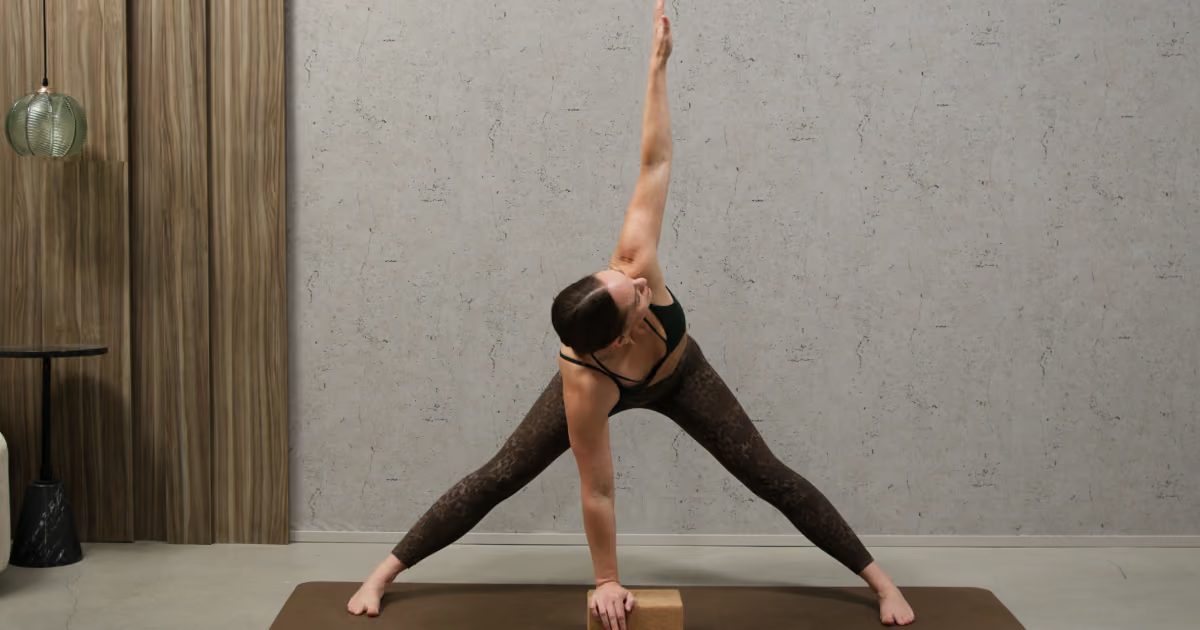
Mobility exercises, stretching, and foam rolling can temporarily reduce discomfort and improve how your body feels between sessions.
Allow enough recovery
Training hard without adequate rest can compound soreness. Most women benefit from alternating muscle groups and including rest or lower-intensity days.
Should you train when you are sore?
Mild to moderate soreness is generally safe to train through, especially if you are working different muscle groups or keeping intensity controlled. Sharp pain, joint discomfort, or soreness that worsens during movement is a sign to rest or modify. Listening to your body is part of training intelligently, not a sign of weakness.
Properly structured programs can help manage soreness
Random workouts often lead to excessive soreness because they lack progression and balance. Structured programs gradually increase intensity, vary training focus, and include important recovery elements. This allows your body to adapt without constant overwhelm.
Inside the Heather Robertson app, workouts are designed with progression, variety, and recovery in mind so soreness stays manageable and training remains sustainable.
The bottom line
Feeling sore after strength training is normal, especially when you are building strength or challenging your body in new ways. It is not something you need to avoid or chase.
Progress comes from consistent training, adequate recovery, and smart programming, not from how sore you feel. When strength training is done well, soreness becomes a temporary signal of adaptation, not a barrier to success.